

What Are the Main Types of Hybrid Batteries?
- 1 min reading time
Main Types of Hybrid Batteries
Hybrid batteries come in several forms, each with its own strengths and trade-offs. As hybrid and electric vehicle technology continues to advance, battery designs are evolving as well. Today, however, there are four main types of batteries commonly associated with hybrid vehicles.
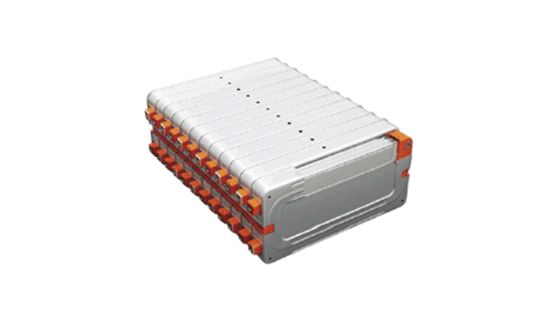

Lithium-Ion Batteries
Best known for their use in consumer electronics like laptops and smartphones, lithium-ion batteries are now widely used in plug-in hybrids and electric vehicles. They offer a high power-to-weight ratio, excellent energy density, and strong performance even at higher temperatures. These advantages make them ideal for modern hybrid systems that demand efficiency and reduced weight.
Nickel-Metal Hydride (NiMH) Batteries
Nickel-metal hydride batteries have been a mainstay of the hybrid market for many years. Known for their long life cycle and tolerance to heavy use, they are reliable and durable. However, they are more expensive than some alternatives and tend to generate more heat and experience higher self-discharge rates. Despite these drawbacks, NiMH batteries are still widely used in conventional hybrid vehicles due to their proven track record.
Lead-Acid Batteries
Lead-acid batteries are inexpensive and dependable, but they come with notable limitations. They have shorter life cycles, lower energy density, and poor performance in cold temperatures. While they were used in some early hybrid designs, ongoing research has yet to overcome their shortcomings, making them less suitable for modern hybrid applications.
Ultracapacitors
Ultracapacitors represent a newer energy-storage technology. Instead of storing energy chemically like traditional batteries, they store it in a polarized liquid or electric field. Although they hold far less energy than batteries, they can charge and discharge extremely quickly. For this reason, ultracapacitors are often used as secondary systems—capturing regenerative braking energy and providing quick bursts of power for acceleration or hill climbing.
Understanding these battery types helps explain why different hybrids use different technologies—and why modern hybrids increasingly favor lithium-ion or advanced NiMH systems for the best balance of performance, longevity, and efficiency.